
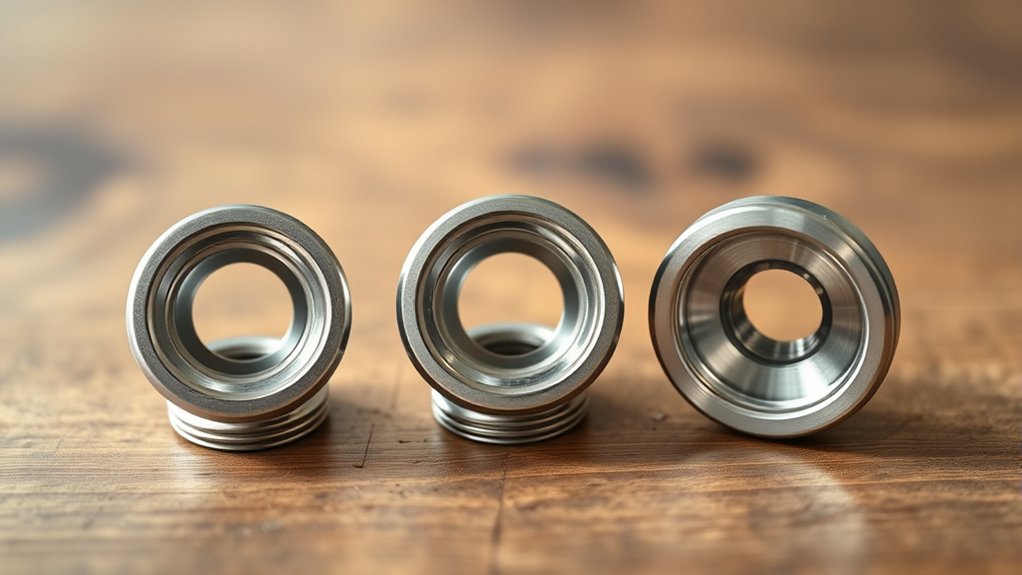
No, all faucet seats are not the same size. Different brands and valve types use a variety of sizes, shapes, and materials designed for optimal sealing and durability.
Using the wrong size faucet seat can worsen leaks or damage washers because a precise fit is essential for a tight seal.
To fix leaks effectively, you need to measure your faucet seat carefully.
Make sure to select one that matches both the size and threading of your faucet. Understanding these details can help you achieve a reliable repair.
Key Takeaways
- Faucet seats vary in size depending on faucet brand and type, so they are not universally the same size.
- Different valve mechanisms and materials cause variations in faucet seat dimensions and design.
- Using an incorrect seat size can lead to leaks, poor sealing, or damage to the faucet components.
- Accurate measurement with tools like calipers is essential to identify the correct seat size for replacements.
- Compatibility issues arise when mixing parts from different manufacturers due to unique threading and shapes.
Why Faucet Seat Size Matters for Fixing Leaks
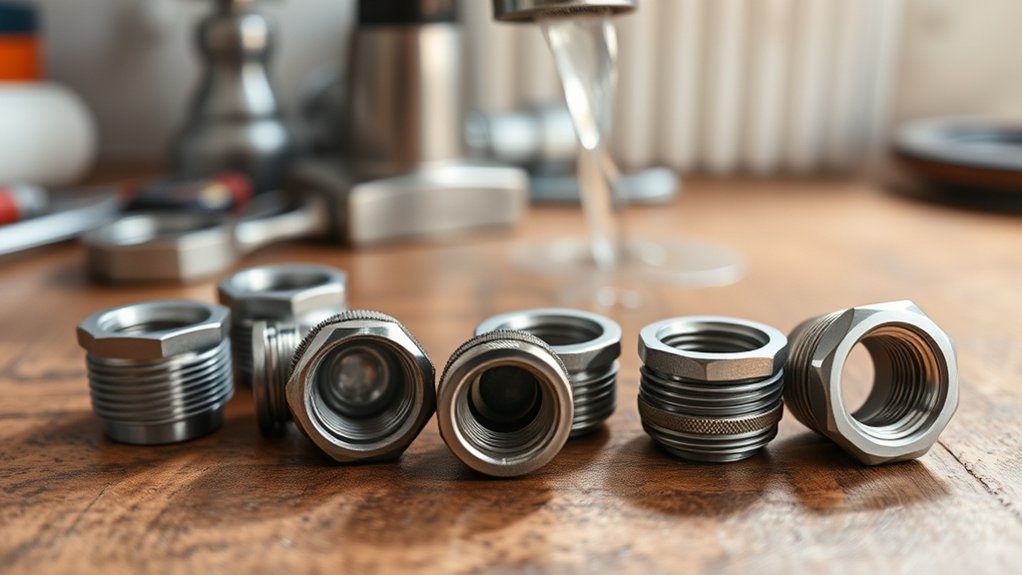
Because the faucet seat directly contacts the valve washer, its size determines the seal’s effectiveness. If the seat is too large or too small, it won’t press evenly against the washer, causing faucet leak causes like dripping or water pooling.
When tackling seat repair, you need to measure the diameter precisely to match the replacement seat. Using the wrong size can worsen leaks or damage the washer prematurely.
Seat repair tips include cleaning the seat surface thoroughly and checking for grooves or corrosion that affect sealing. You should also use a proper seat wrench to avoid damaging the valve body.
Ensuring the seat size fits perfectly guarantees a tight seal, which is essential for stopping leaks and extending the faucet’s lifespan.
Why Faucet Seats Vary by Brand and Type
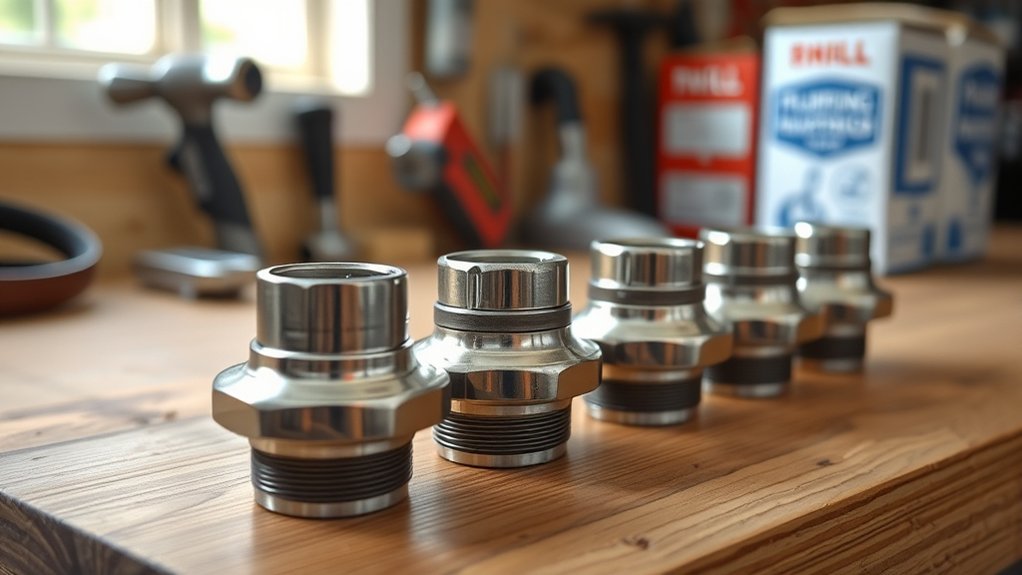
Although faucet seats serve the same basic function, their sizes and designs vary considerably across brands and types due to differences in valve mechanisms, materials, and manufacturing standards. When you deal with faucet design differences, you’ll notice that some brands use unique seat shapes, threading, or diameters to optimize performance or durability.
These variations affect brand compatibility, so a seat from one manufacturer won’t always fit another’s faucet. Additionally, materials like brass, plastic, or stainless steel influence seat dimensions and wear resistance. Understanding these distinctions is essential when sourcing replacement parts; relying on generic seats can lead to poor sealing or leaks.
To guarantee a proper fit, you must consider both the specific brand and the valve type your faucet uses rather than assuming all seats are interchangeable.
How to Measure Your Faucet Seat Accurately
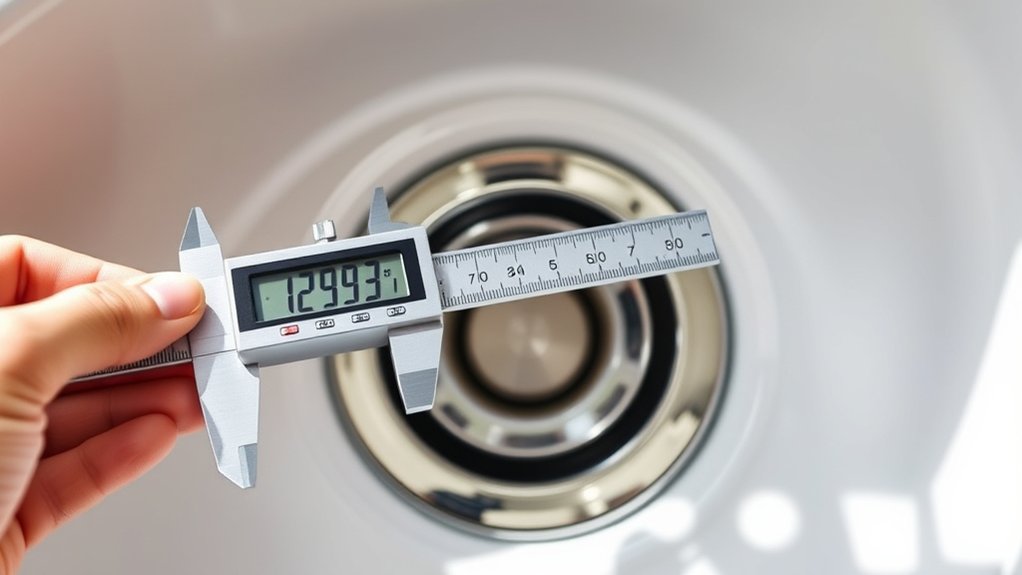
How do you guarantee your replacement faucet seat fits perfectly? Start with an accurate faucet seat measurement. First, gather the tools needed: a caliper or a precision ruler, a flashlight, and a small mirror if the seat is recessed.
Turn off the water supply and remove the faucet stem carefully. Clean the seat area to get an unobstructed view. Use the caliper to measure the inside diameter, depth, and condition of the seat precisely.
Record these dimensions in millimeters for consistency. Pay attention to wear or damage that might affect the fit. Accurate faucet seat measurement guarantees you select the correct replacement, preventing leaks and costly repairs.
Record measurements in millimeters and inspect for wear to ensure a perfect, leak-free faucet seat fit.
Always double-check your measurements before purchasing or installing a new seat.
How to Choose the Right Faucet Seat to Stop Leaks
Where should you focus when selecting a faucet seat to effectively stop leaks? Start by evaluating faucet seat materials; brass and stainless steel offer durability and corrosion resistance, essential for long-term leak prevention. Avoid plastic seats unless specified for your model, as they wear quickly.
Next, confirm the seat matches your faucet’s size and threading precisely. Incorrect fit leads to poor seals. Incorporate leak prevention techniques such as inspecting the seat for grooves or damage before installation. If the seat shows wear, replace it rather than reuse.
Use a proper seat cutter tool to achieve a smooth, even surface. Finally, verify compatibility with your valve type to guarantee ideal sealing. By prioritizing material quality and precise fitting, you’ll effectively stop leaks and extend faucet lifespan.
Frequently Asked Questions
Can I Install a Faucet Seat Without Professional Tools?
You can install a faucet seat without professional tools by using basic DIY plumbing solutions like a seat wrench and sealant.
Follow faucet maintenance tips carefully to guarantee a secure fit and prevent leaks during installation.
How Long Does a Typical Faucet Seat Last?
Like a well-oiled machine, your faucet seat typically lasts 5-10 years. Following faucet maintenance tips, you’ll know when seat replacement frequency increases due to wear, leaks, or corrosion.
This ensures peak performance and helps avoid costly repairs.
Are Faucet Seats Compatible With All Faucet Models?
You won’t find all faucet seat types compatible with every faucet model variation. Always match the seat size and design precisely to your faucet’s specifications to guarantee proper fit, function, and prevent leaks or damage.
What Materials Are Faucet Seats Commonly Made From?
You’ll find faucet seats commonly made from brass for durability and ceramic for precision sealing. Both materials guarantee longevity and reliable performance, depending on your faucet’s design and water conditions.
Can a Damaged Faucet Seat Affect Water Pressure?
Yes, a damaged faucet seat can cause water pressure issues by restricting flow.
For effective faucet maintenance, regularly inspect and replace worn seats to guarantee ideal performance and prevent pressure drops in your plumbing system.
Conclusion
When fixing a leak, you can’t assume all faucet seats fit like a glove. Measuring accurately guarantees you get the right size, avoiding wasted time and parts. Different brands and types demand specific seats, so don’t cut corners.
Remember, the devil’s in the details—overlooking seat size can turn a simple repair into a headache. Stay precise, measure carefully, and choose the correct seat to keep your faucet leak-free.
In conclusion, knowing whether all faucet seats are the same size is crucial. Ensuring you have the proper seat size will make your repair more effective and long-lasting.

Leave a Reply