
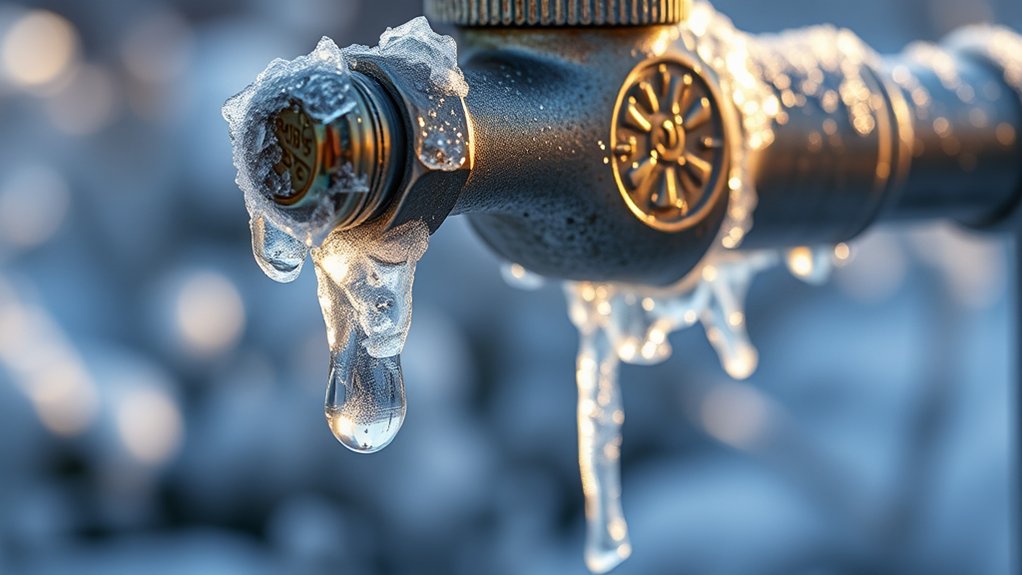
You might think a frost proof faucet can’t freeze, but it can if installed incorrectly or exposed to extreme cold beyond its design.
These faucets work by placing the valve inside an insulated wall, keeping the water shutoff indoors to prevent freezing.
However, if the faucet is installed too close to the exterior or if insulation is poor, freezing and damage can still occur.
Recognizing the signs of freezing and knowing proper protection methods are essential to maintaining function throughout winter.
Explore how to keep your frost proof faucet effectively protected against the cold to ensure it remains frost-proof all season long.
Key Takeaways
- Frost proof faucets can freeze if installed too close to exterior walls, exposing valves to cold air.
- Proper valve placement inside insulated walls ensures water shutoff stays warm, preventing freezing.
- Inadequate insulation or poor sealing around the faucet increases freeze risk despite frost proof design.
- Extreme cold and temperature fluctuations can overwhelm frost resistance, causing freezing even in frost proof faucets.
- Regular maintenance, draining water supply, and insulated covers are essential to avoid freezing issues.
How Frost Proof Faucets Keep Water From Freezing
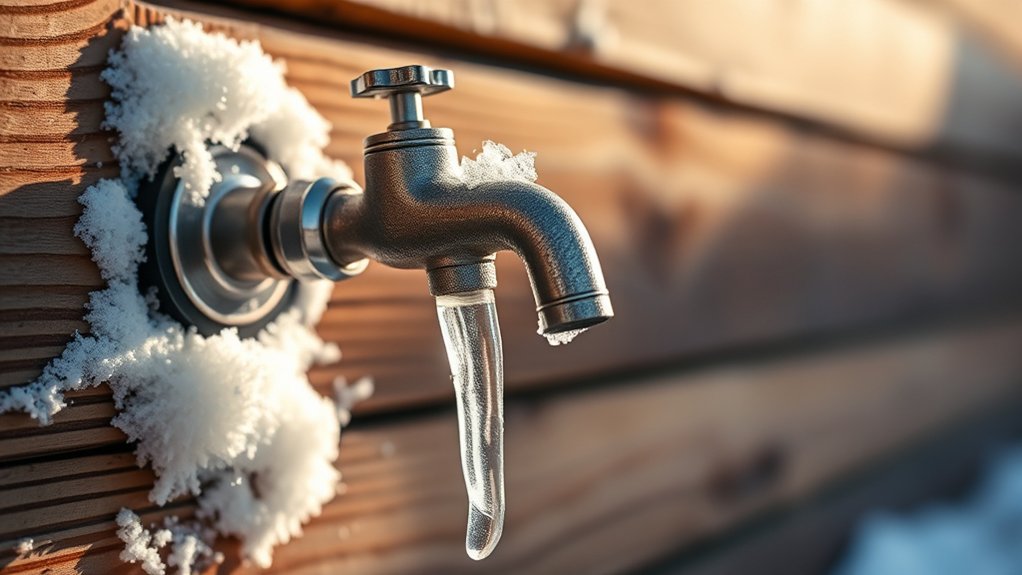
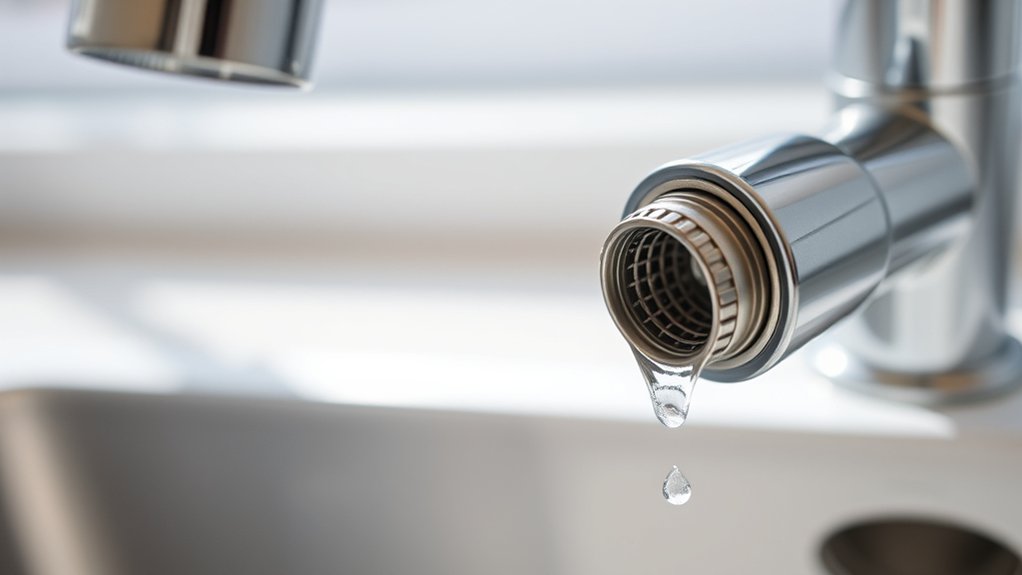
Frost proof faucets prevent water from freezing by positioning the valve mechanism well inside your home’s insulated wall, away from cold outdoor air. This frost proof design extends the water shutoff point indoors, reducing exposure to freezing temperatures.
When you turn off the faucet, water drains from the exposed pipe, preventing standing water that can freeze and cause bursts. For effective winter maintenance, guarantee the faucet’s stem length suits your wall thickness, maintaining the valve’s proper indoor location.
Periodically check for leaks or damage that may compromise insulation. By understanding this design and performing routine winter maintenance, you can reliably prevent freezing issues and potential water damage associated with outdoor faucets during cold months.
What Usually Causes Frost Proof Faucets to Freeze?
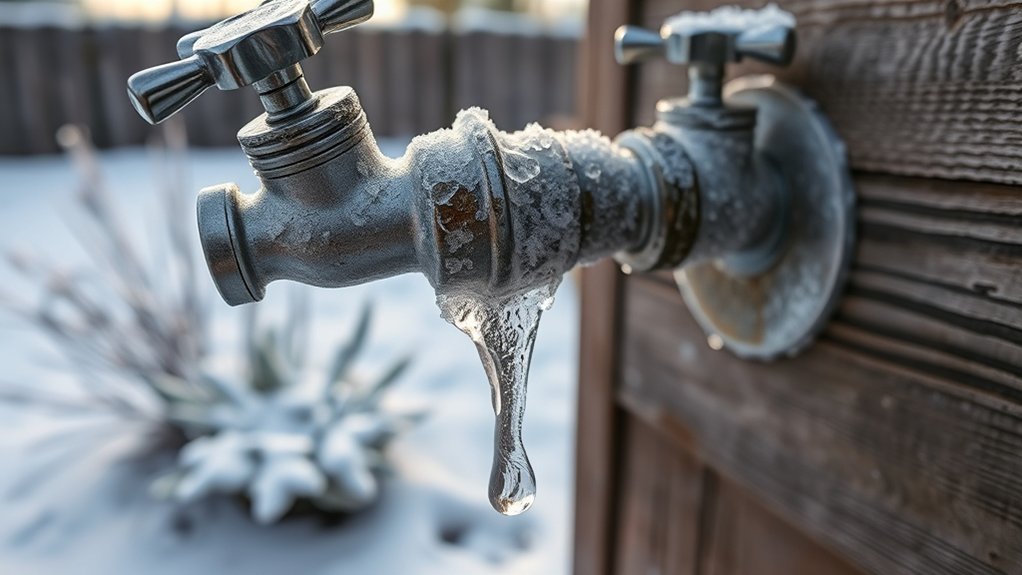
You’ll often find frost proof faucets freeze due to improper installation that leaves the valve too close to the exterior wall, exposing it to cold air. Additionally, extreme cold temperatures can overwhelm even correctly installed faucets by freezing water trapped inside the pipe.
Understanding these common causes helps you prevent potential damage during harsh winter conditions.
Improper Installation Issues
Although frost proof faucets are designed to prevent freezing, improper installation often undermines their effectiveness. Installation errors, such as incorrect faucet positioning or failure to extend the valve far enough into the heated interior wall, expose the valve to cold air, increasing freeze risk.
Improper sealing around the faucet connection also allows cold drafts to infiltrate, reducing the internal temperature and compromising the frost proof mechanism. If you don’t secure tight, weatherproof seals, water inside the pipe can freeze despite the faucet’s design.
Additionally, using incompatible or low-quality fittings during installation can create gaps or leaks, further exposing the system to freezing conditions. To avoid these issues, you must follow manufacturer guidelines precisely and guarantee all seals and connections are airtight and correctly set within the heated space.
Extreme Cold Temperatures
Even with proper installation, extreme cold temperatures can overwhelm frost proof faucets, causing them to freeze. You need to understand that these faucets rely on temperature stability and adequate insulation techniques to function effectively. Here’s what usually causes them to freeze:
1. Severe temperature fluctuations
Rapid drops can cause water inside the faucet to freeze before it drains completely.
2. Inadequate insulation techniques
Poor or damaged insulation around the supply pipe lets cold air penetrate, lowering internal temperatures.
3. Extended exposure to subzero conditions
Prolonged cold spells can overwhelm the faucet’s frost resistance, especially if water remains stagnant.
To prevent freezing, guarantee consistent temperature control and upgrade insulation. Monitoring local weather and reinforcing insulation can greatly reduce freeze risk.
Can Frost Proof Faucets Freeze in Extreme Cold?
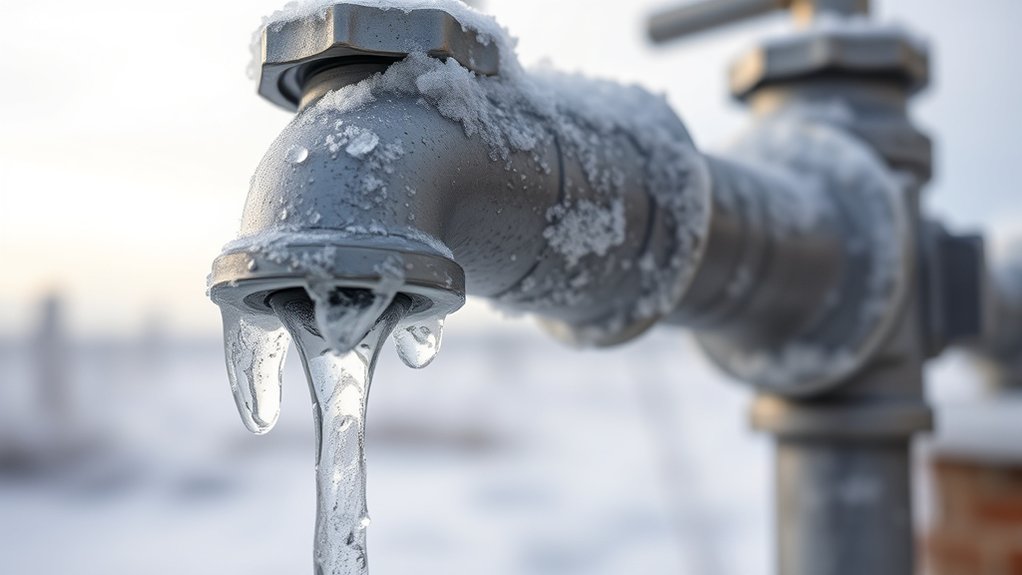
How resistant are frost proof faucets when temperatures plunge far below freezing? Frost proof faucets are designed with an extended valve stem that positions the shutoff valve inside your heated home, reducing freeze risk.
However, in extreme cold, especially below -20°F, even these faucets can freeze if exposed to prolonged freezing conditions without adequate faucet insulation. You shouldn’t rely solely on their design; proper winter maintenance is essential.
Adding foam covers or specialized faucet insulation helps maintain a stable temperature around the valve, preventing ice formation. Regularly checking for cracks or damage that might allow cold air infiltration is also important.
How to Tell if Your Frost Proof Faucet Is Frozen
Detecting a frozen frost proof faucet requires careful observation of specific signs that indicate ice blockage within the valve or pipe. To accurately identify frozen pipes, follow these steps:
- Check Water Flow: Turn on the faucet; if water flow is weak or nonexistent despite the valve being open, ice obstruction is likely.
- Inspect Exterior Temperature: Feel the pipe near the faucet. A notably colder surface temperature than ambient suggests freezing conditions inside.
- Look for Frost or Cracks: Visible frost accumulation or hairline cracks on the faucet body or pipe signals ice expansion, a critical faucet maintenance concern.
How to Protect Your Frost Proof Faucet This Winter
After confirming signs of a frozen frost proof faucet, you’ll want to take proactive measures to prevent freezing during colder months. Start by shutting off the water supply to the faucet and draining any remaining water to avoid internal ice buildup.
To prevent frost damage, shut off the water supply and drain the faucet before winter arrives.
Use insulated faucet covers designed for frost proof models to provide an extra thermal barrier. Regular faucet maintenance is essential; inspect seals and pipes for cracks or wear that could compromise frost resistance.
Additionally, verify the faucet is properly angled and installed at the recommended depth to reduce exposure to freezing temperatures. Incorporate these steps into your winter preparation routine to maintain peak faucet function and avoid costly repairs.
Consistent, precise faucet maintenance will greatly reduce the risk of freeze damage during harsh winters.
How to Know When to Fix or Replace a Frozen Faucet
When should you decide between repairing or replacing a frozen frost proof faucet? First, evaluate the extent of damage to determine viable repair options. Consider these three key factors:
- Damage Severity: If internal components like the valve stem or seat are cracked or corroded, replacement is often more cost-effective than repair.
- Age and Wear: Older faucets with frequent issues suggest declining integrity; faucet maintenance history guides whether repair is practical.
- Leak and Functionality Tests: Persistent leaks or poor water flow after initial repairs indicate underlying damage requiring replacement.
Frequently Asked Questions
Are Frost Proof Faucets Suitable for All Climates?
Frost proof faucets offer great frost proof benefits but aren’t ideal for all climates. You’ll need to evaluate extreme cold or prolonged freezing since climate evaluations affect their effectiveness.
They may require additional insulation or heating solutions in harsher conditions.
How Long Does a Frost Proof Faucet Typically Last?
Think of your frost proof faucet’s lifespan as a marathon, not a sprint. It typically lasts 10-15 years. Durability factors like water quality, installation, and maintenance heavily influence how long it performs efficiently.
Can Frost Proof Faucets Be Used for Garden Irrigation?
Yes, you can use frost proof faucets for garden irrigation. Their frost proof benefits prevent freezing, ensuring consistent water flow.
This enhances irrigation efficiency and protects your system during cold weather, making them ideal for year-round outdoor watering.
Do Frost Proof Faucets Require Special Installation Tools?
You don’t need special installation tools for frost proof faucets, but proper tools like pipe wrenches and thread sealant are crucial.
Following installation requirements precisely guarantees a secure, leak-free setup that withstands freezing temperatures effectively.
What Materials Are Frost Proof Faucets Commonly Made From?
Ironically, frost proof faucets aren’t made of ice! You’ll find brass for durability and corrosion resistance, though some plastic options exist for lightweight needs.
Both materials guarantee your faucet withstands freezing temperatures reliably.
Conclusion
While frost proof faucets are designed to prevent freezing by extending the valve inside your warm house, they can still freeze in extreme cold or if improperly installed. You might think they’re foolproof, but even these faucets need proper insulation and winter preparation.
By regularly checking for leaks and insulating exposed pipes, you can avoid costly repairs. Remember, timely maintenance is key to ensuring your frost proof faucet functions reliably through harsh winters.
In conclusion, even though frost proof faucets are made to resist freezing, they are not entirely immune. Proper care and precautions are essential to prevent your frost proof faucet from freezing.

Leave a Reply