
Yes, a kitchen faucet can go bad over time due to constant use, mineral buildup, and corrosion.
These factors wear down seals, valves, and moving parts, leading to noticeable issues. You might see signs like leaking, reduced water pressure, or stiff handles as components deteriorate.
Minor problems such as drips or low flow can often be repaired without replacing the entire unit.
However, if problems persist or repairs become costly, it’s usually time to replace the faucet.
Understanding these factors helps you decide when to repair or upgrade for better performance and longevity.
Key Takeaways
- Yes, kitchen faucets can go bad due to worn seals, corrosion, and mineral buildup causing leaks and reduced performance.
- Frequent use and hard water accelerate wear, leading to issues like dripping, stiff handles, and inconsistent water flow.
- Common problems include leaks at the spout, reduced water pressure, and temperature control issues from deteriorated components.
- Minor repairs such as replacing washers or cleaning aerators can fix many issues before total failure occurs.
- Persistent leaks, corrosion, or performance problems despite repairs indicate it’s time to replace the faucet.
Signs Your Kitchen Faucet Is Going Bad
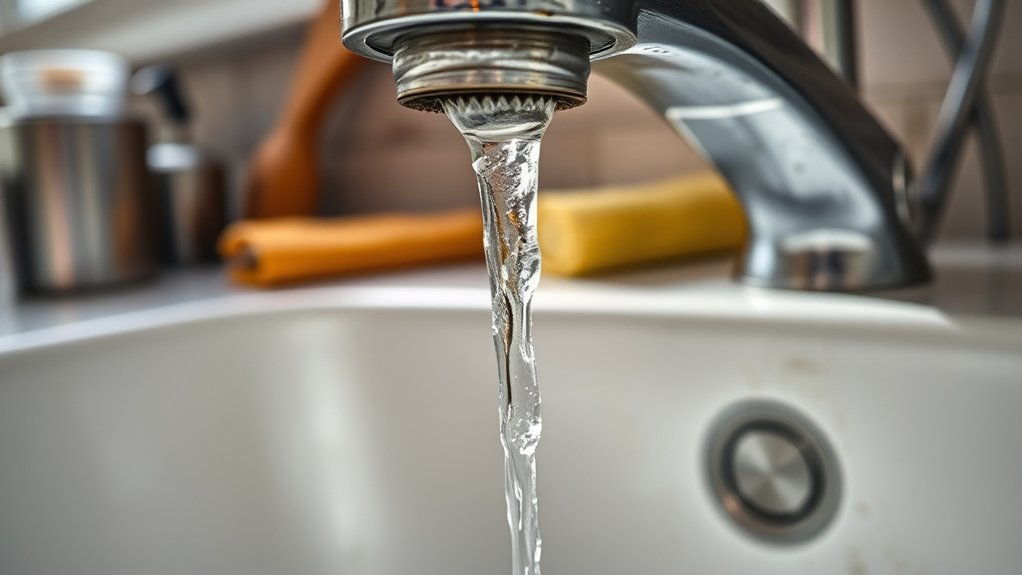
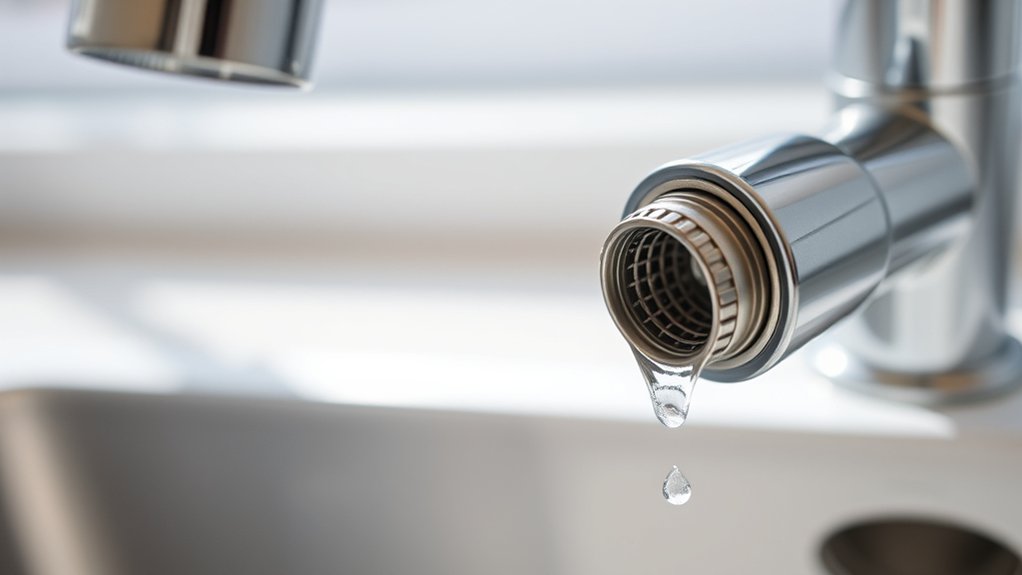
Several clear signs indicate your kitchen faucet is going bad. First, faucet leaks are the most common indicator. If you notice water dripping from the spout or handles even when the faucet is off, internal seals or cartridges may have worn out.
Second, inconsistent or reduced water pressure signals potential blockages or valve issues inside the faucet, affecting flow efficiency. You might experience sputtering or weak water streams during use.
Third, if the faucet handle becomes stiff or loose, it can mean mechanical parts are deteriorating. Finally, rust or mineral buildup around joints and aerators suggests corrosion, which can impair function.
Recognizing these symptoms early helps you address faults promptly, preventing water waste and costly repairs.
Why Kitchen Faucets Wear Out Over Time
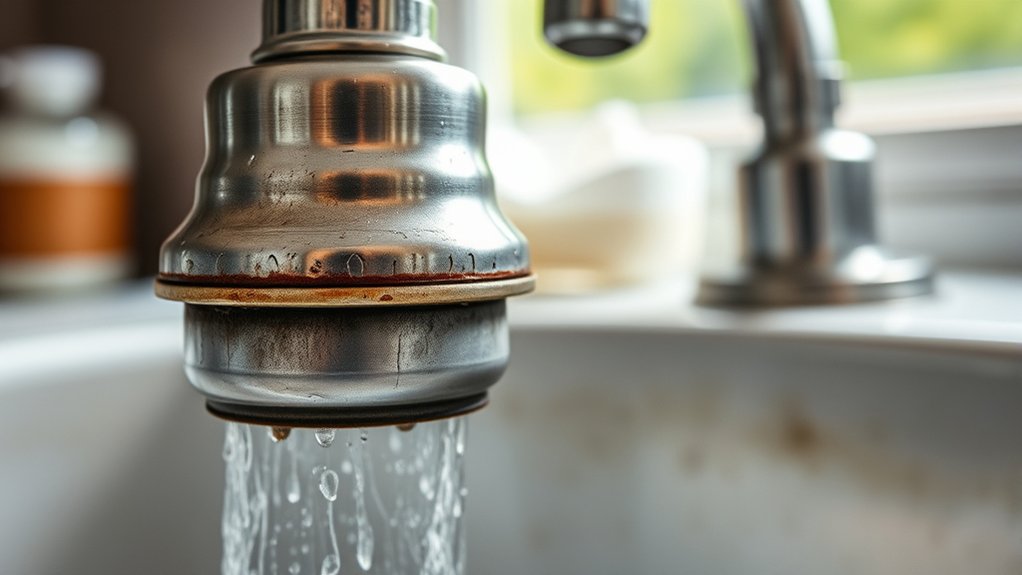
You’ll notice your kitchen faucet wears out due to constant use and exposure to water minerals, leading to common wear factors like corrosion and buildup. Over time, material degradation affects seals, washers, and valves, causing leaks and reduced performance.
Understanding these issues helps you anticipate when repairs or replacements are needed.
Common Wear Factors
Although kitchen faucets are built to last, constant exposure to water, minerals, and daily use gradually degrades their components. Corrosive elements in water, such as chlorine and hard minerals, attack metal surfaces and seals, accelerating wear.
If you live in an area with hard water, mineral buildup can clog valves and reduce flow, straining the faucet’s internal parts. Additionally, fluctuating or high water pressure places mechanical stress on the faucet’s cartridges and washers, causing premature failure.
Frequent operation also wears down moving parts like O-rings and seals, leading to leaks. Understanding these common wear factors helps you identify issues early and maintain your faucet properly, prolonging its functional life and preventing costly replacements.
Material Degradation Effects
When metal components in your kitchen faucet react with water and air, they gradually deteriorate through processes like oxidation and corrosion. Different material types, such as brass, stainless steel, and chrome-plated metals, respond differently to these effects.
Corrosion effects weaken the faucet’s structure, causing leaks and reduced functionality over time. You’ll notice this wear especially in:
- Brass parts that tarnish and corrode if exposed to harsh water conditions
- Chrome finishes that peel or pit with prolonged exposure to moisture
- Stainless steel components that resist corrosion but can still suffer from mineral buildup
Understanding these material degradation effects helps you anticipate when replacement or maintenance is necessary, ensuring your faucet stays reliable and efficient longer.
Common Kitchen Faucet Problems You Might Face
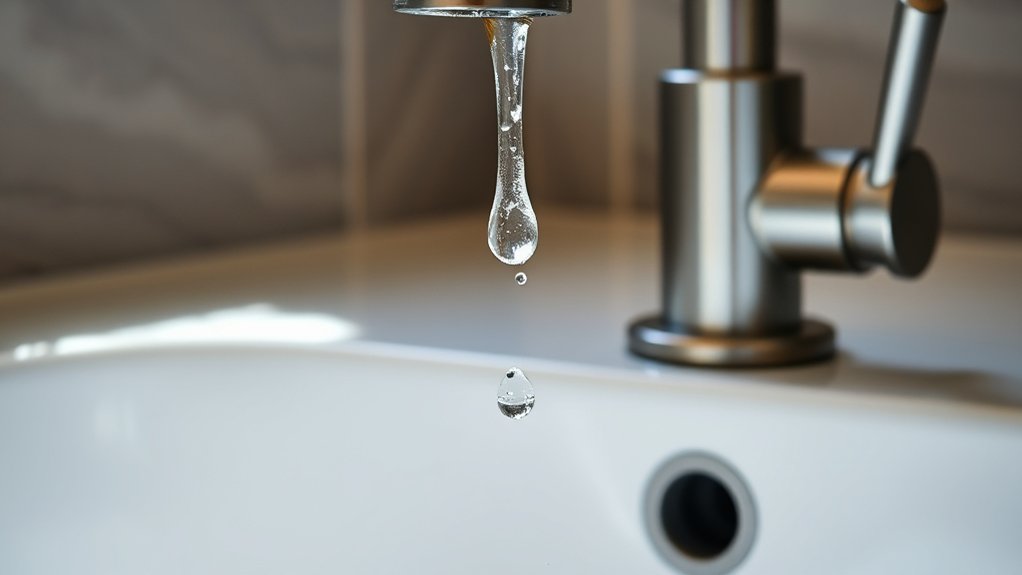
Since kitchen faucets undergo daily use, they’re prone to issues that can affect performance and water efficiency. Common problems include leaks at the base or spout, reduced water pressure, and inconsistent temperature control.
Mineral buildup often clogs aerators, while worn-out washers or cartridges cause dripping. You might also notice handle stiffness or unusual noises during operation.
Following kitchen maintenance tips, such as regularly cleaning aerators and checking seals, can prevent these issues. A reliable faucet troubleshooting guide helps you identify whether the problem stems from internal components or external factors.
Addressing these problems promptly not only improves functionality but also conserves water and extends your faucet’s lifespan. Knowing these common issues prepares you for effective diagnosis and timely intervention.
Fixing Minor Kitchen Faucet Issues Without Replacement
You’ll often encounter issues like dripping, low water pressure, or a stiff handle in your kitchen faucet. Many of these problems can be fixed with simple techniques, such as replacing washers, cleaning aerators, or tightening loose parts.
Common Faucet Problems
Although kitchen faucets are built to last, they can develop minor issues that don’t require full replacement. By following basic faucet maintenance tips, you can often resolve common problems quickly and avoid costly repairs.
Water pressure issues are frequent and usually stem from clogged aerators or supply line blockages. Other typical problems include leaks and handle stiffness.
Common faucet problems you might encounter:
- Dripping faucet due to worn-out washers or seals
- Low water pressure caused by mineral buildup in the aerator
- Difficulty turning handles from corrosion or debris buildup
Addressing these early signs with routine maintenance can extend your faucet’s life and maintain peak performance without needing a full replacement.
Simple Repair Techniques
When minor issues arise with your kitchen faucet, you can often fix them yourself with simple repair techniques that don’t require a full replacement. A leaky handle usually results from worn-out O-rings or loose parts, which you can tighten or replace. Noisy operation often indicates mineral buildup or loose components. Cleaning and tightening can resolve these issues quickly.
| Issue | Simple Fix |
|---|---|
| Leaky handle | Replace O-rings, tighten screws |
| Noisy operation | Clean aerator, tighten loose parts |
| Low water flow | Remove and clean cartridge or aerator |
These fixes save you time and money, restoring your faucet’s function without professional help.
When to Replace Your Kitchen Faucet Instead of Repairing
If your kitchen faucet shows persistent leaks, corrosion, or reduced water flow despite multiple repairs, it’s time to contemplate a replacement. Replacement indicators often include frequent breakdowns, visible damage, and outdated components that no longer meet your needs.
Persistent leaks, corrosion, or poor flow after repairs signal it’s time to replace your kitchen faucet.
Repair cost can add up quickly, sometimes exceeding the price of a new faucet.
Consider replacing your faucet when:
- Repair expenses approach or surpass the cost of a new unit.
- Corrosion compromises structural integrity or water quality.
- Performance issues persist after multiple fixes, such as low water pressure or inconsistent temperature control.
Tips for Choosing a Long-Lasting Kitchen Faucet Replacement
Replacing your kitchen faucet gives you a chance to upgrade to a more durable and efficient model. Focus on faucet features like solid brass construction or stainless steel finishes, which resist corrosion and wear.
Choose ceramic disc valves for smoother operation and longer lifespan. Opt for a design with easy-to-clean surfaces and a high-quality cartridge to minimize leaks.
When selecting, consider installation tips such as compatibility with your sink’s hole configuration and water pressure requirements to avoid costly modifications. Look for models with straightforward installation instructions or quick-connect fittings to simplify the process.
Prioritize warranties that cover critical components, signaling manufacturer confidence in durability. These steps guarantee you pick a long-lasting kitchen faucet that meets your needs and reduces future maintenance hassles.
Frequently Asked Questions
How Do I Properly Clean and Maintain My Kitchen Faucet?
You should perform regular faucet cleaning using mild soap and a soft cloth.
For maintenance tips, check aerators for debris, tighten connections, and lubricate moving parts to prevent leaks and guarantee smooth operation over time.
Are There Eco-Friendly Kitchen Faucet Options Available?
You can kill two birds with one stone by choosing eco-friendly kitchen faucets made from sustainable materials that boost faucet efficiency. These options reduce water waste and environmental impact, helping you conserve resources without sacrificing performance or style.
Can Water Quality Affect the Lifespan of a Kitchen Faucet?
Yes, water hardness can cause mineral buildup, reducing your faucet’s function and lifespan. Using corrosion-resistant materials helps protect against damage.
Regular maintenance guarantees your kitchen faucet stays efficient despite varying water quality.
What Tools Do I Need for Basic Kitchen Faucet Repairs?
Think of your faucet repair tool checklist as a superhero’s utility belt: you’ll need an adjustable wrench, Phillips and flathead screwdrivers, plumber’s tape, a hex key, and a basin wrench to tackle most basic kitchen faucet repairs effectively.
How Does Water Pressure Impact Faucet Performance?
You’ll notice water pressure directly affects water flow; low pressure reduces flow, while high pressure can strain seals, causing faucet leaks.
Maintaining ideal pressure guarantees efficient performance and prevents premature faucet damage or leaks over time.
Conclusion
If your kitchen faucet shows signs of wear or persistent issues, don’t ignore them—remember, a stitch in time saves nine. Minor problems can often be fixed without replacement, but knowing when to upgrade is key to avoiding bigger headaches.
Choose a durable, high-quality faucet to guarantee long-lasting performance. Staying proactive with maintenance and timely decisions will keep your kitchen running smoothly and prevent costly repairs down the line.
In conclusion, yes, a kitchen faucet can go bad. Recognizing the signs early and addressing them promptly ensures your faucet continues to function efficiently for years to come.


Leave a Reply