
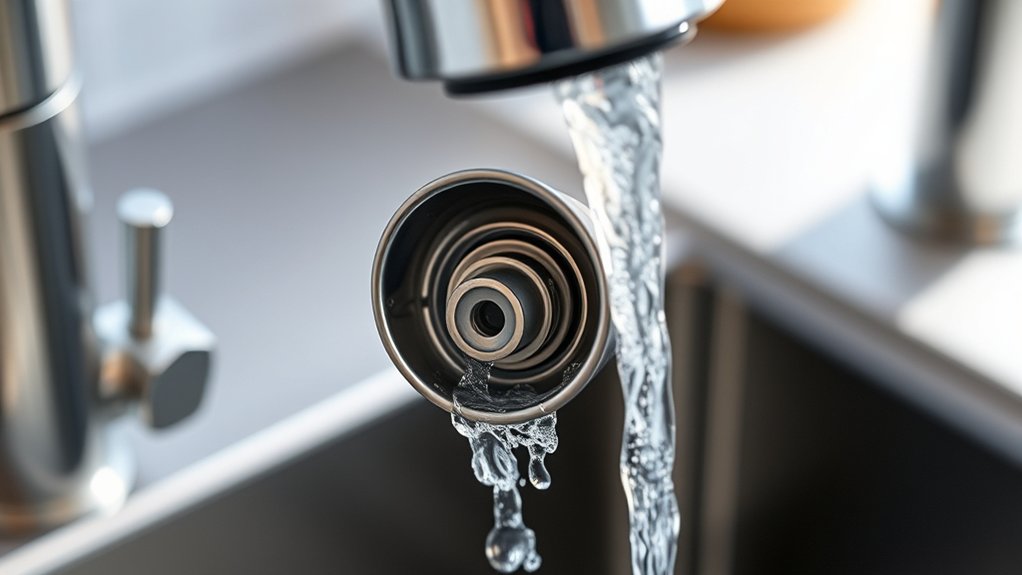
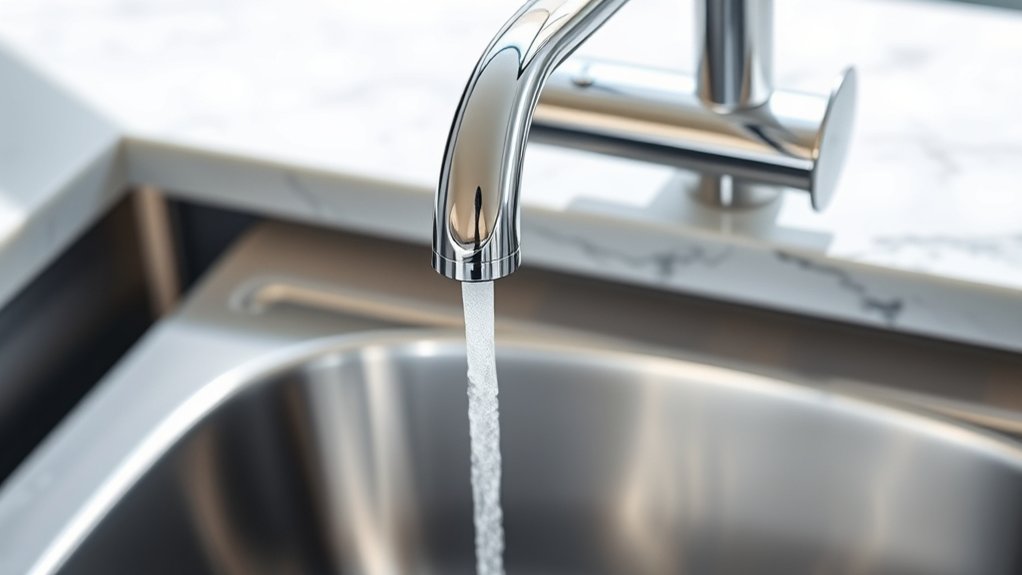
Yes, a faucet cartridge can directly affect your water pressure by controlling flow and pressure through internal valves. This component plays a key role in regulating how water moves through your faucet system.
If the cartridge is clogged with mineral deposits or debris, it can restrict water flow, causing reduced pressure or inconsistent streams.
Worn seals or improper installation also impact performance, leading to water pressure issues.
You can clean or replace the cartridge to restore proper function. Understanding these factors helps you troubleshoot effectively and maintain steady water pressure in your faucet system.
Key Takeaways
- Faucet cartridges regulate water flow by controlling valve openings, directly impacting water pressure at the faucet.
- Mineral deposits and debris can clog cartridges, reducing water flow and causing low pressure or sputtering.
- Worn or damaged cartridge seals can lead to leaks and inconsistent water pressure.
- Proper cartridge installation and maintenance ensure smooth operation and stable water pressure delivery.
- Replacing a faulty cartridge often restores normal water pressure and resolves flow irregularities.
How a Faucet Cartridge Controls Water Flow and Pressure
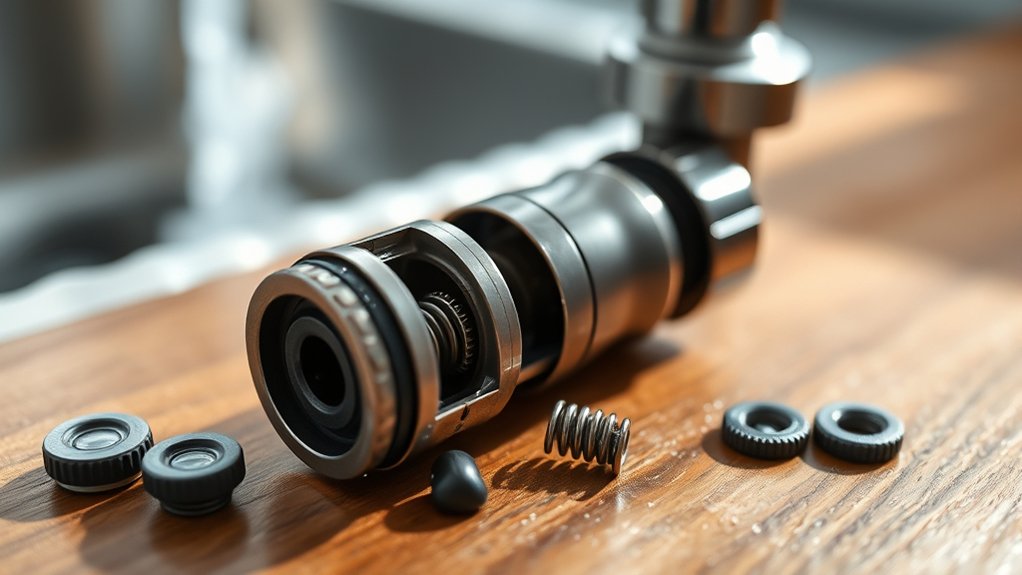
When you adjust the handle of a faucet, the cartridge inside directly regulates both water flow and pressure by controlling the opening and closing of internal valves. The cartridge functionality depends on a precisely engineered mechanism that modulates how much water passes through depending on handle position.
As you turn the handle, the cartridge rotates or slides, aligning or blocking internal ports to increase or decrease flow. This action alters the water pressure delivered to the spout. The cartridge’s design guarantees smooth, consistent pressure regulation by maintaining a balance between inlet water pressure and valve opening size.
Any variation in cartridge operation directly impacts water pressure, making it a critical component for precise control. Understanding cartridge functionality helps you diagnose and manage water pressure issues effectively.
Signs of Faucet Cartridge Water Pressure Issues
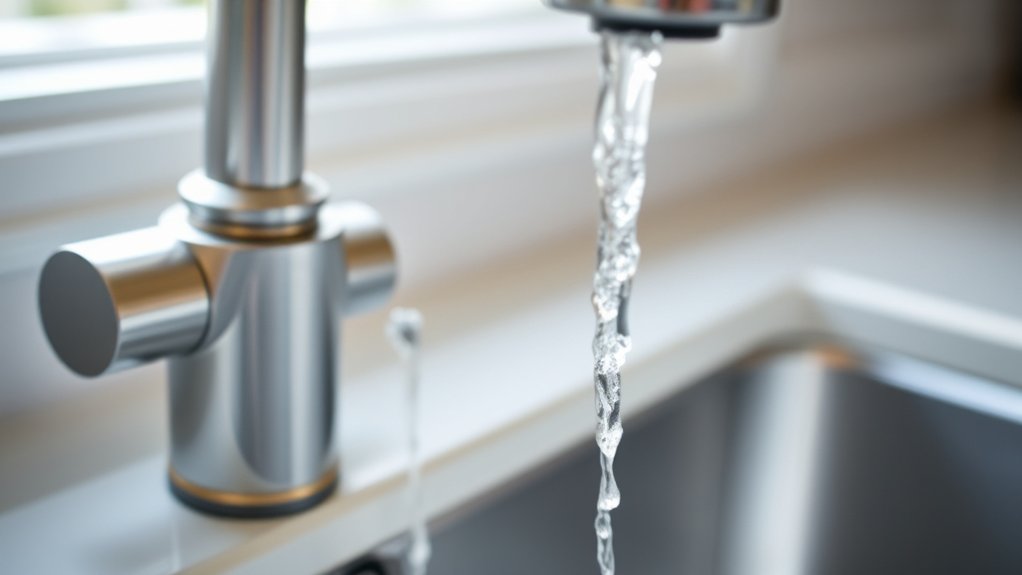
You’ll notice water pressure issues when the flow rate drops unexpectedly or the water stream becomes inconsistent. These signs often point to a malfunctioning or clogged faucet cartridge.
Identifying these symptoms early helps you address cartridge problems before they worsen.
Reduced Flow Rate
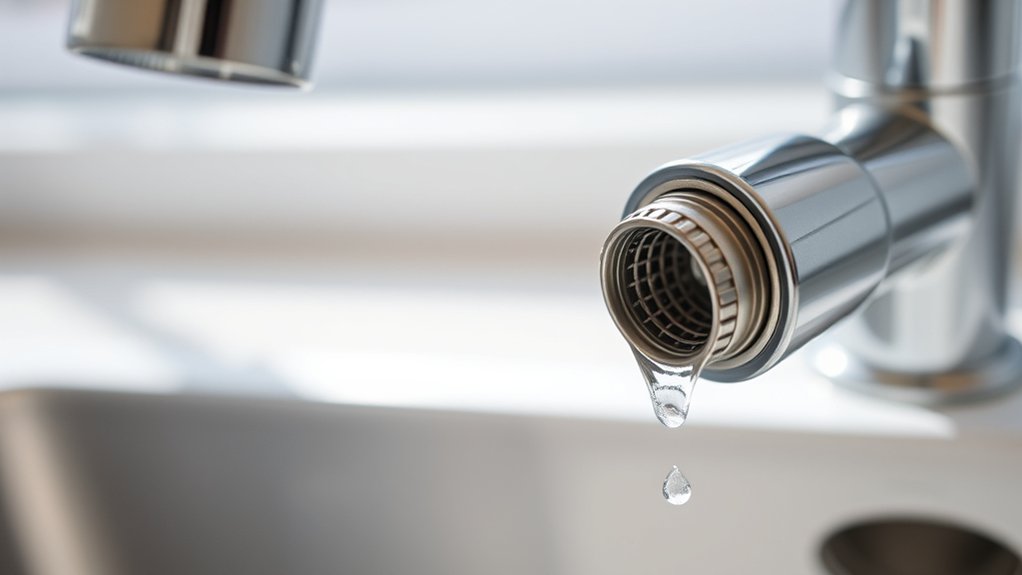
One common sign of faucet cartridge water pressure issues is a noticeably reduced flow rate. You might notice that even when the main water supply is fully open, the water barely trickles out.
This often results from flow restriction caused by debris buildup or mineral deposits within the cartridge. Additionally, certain cartridge designs inherently limit water flow to conserve water, which can be mistaken for pressure problems.
When diagnosing reduced flow, inspect the cartridge for blockages and consider whether its design suits your pressure needs. Replacing a clogged or incompatible cartridge usually restores proper flow.
Inconsistent Water Stream
How can you tell if your faucet cartridge is causing an inconsistent water stream? Pay close attention to irregularities in water flow that may stem from cartridge design flaws or wear. Signs include sudden spurts or drops in pressure despite steady handle positioning.
You might notice:
- Fluctuating water flow even when the valve position remains constant
- Irregular spray patterns or sputtering from the faucet head
- Difficulty maintaining a steady stream at low or medium settings
- Visible wear or debris buildup affecting cartridge seals or internal channels
- Intermittent water flow interruptions linked to cartridge component misalignment
These symptoms often indicate internal cartridge issues disrupting consistent water flow. Replacing or servicing the cartridge typically restores stable pressure and smooth operation.
Common Causes of Faucet Cartridge Clogs and Failures
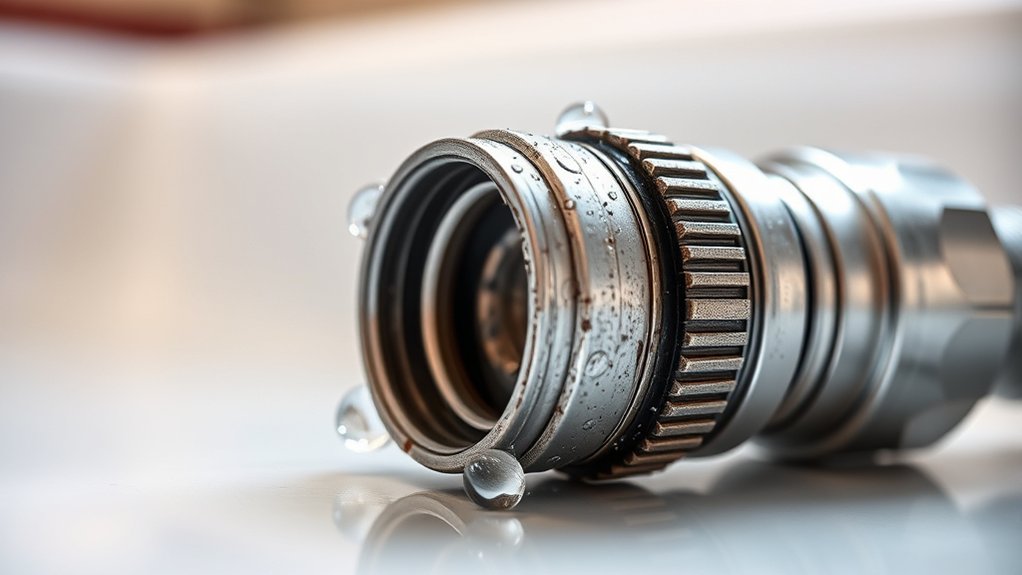
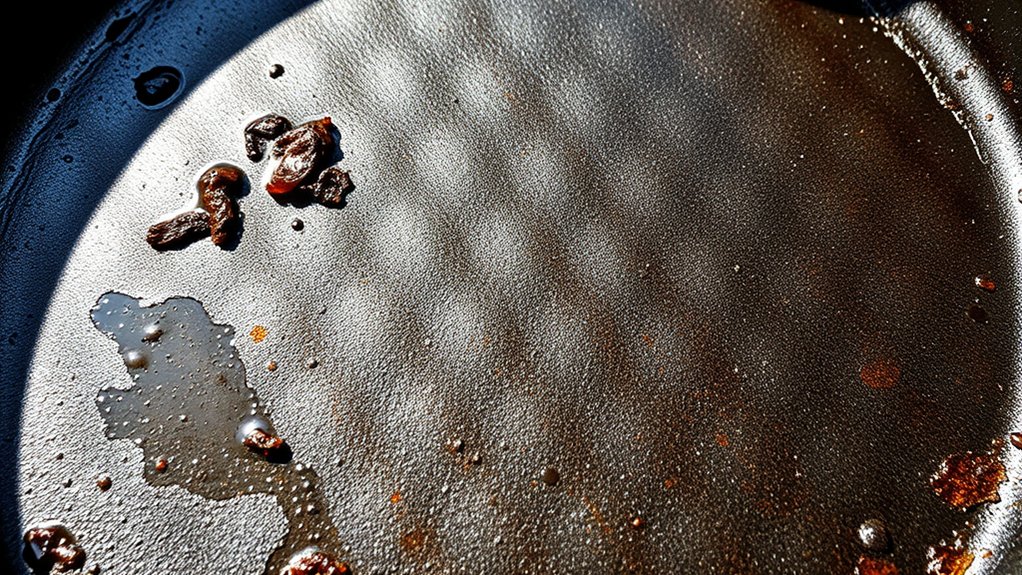
Although faucet cartridges are designed for durability, they can still clog or fail due to various factors. Mineral deposits from hard water often accumulate within the cartridge’s valves, restricting water flow and lowering pressure.
Sediment and debris entering your plumbing can also obstruct cartridge openings, especially in older homes without proper filtration. Different cartridge types, such as ceramic disc or compression, vary in susceptibility to wear and clogging, so knowing your cartridge type helps tailor your faucet maintenance strategy.
Additionally, rubber seals and O-rings can degrade over time, causing leaks and pressure drops. Regular inspection and timely maintenance reduce the risk of cartridge failure, ensuring consistent water pressure and prolonging the faucet’s lifespan. Recognizing these common causes allows you to address issues before they escalate.
How to Clean or Replace a Faucet Cartridge
Start by turning off the water supply to your faucet to prevent leaks during the cleaning or replacement process. Next, identify your faucet cartridge type. This guarantees compatibility when cleaning or replacing. Follow these cartridge replacement tips for efficiency:
Remove the handle using an appropriate screwdriver or Allen wrench. Extract the retaining clip or nut securing the cartridge. Gently pull out the cartridge, noting its orientation.
Clean mineral deposits with vinegar or replace the cartridge if damaged. Reassemble components in reverse order, confirming seals and O-rings are intact.
Preventing Faucet Cartridge Water Pressure Problems
To prevent water pressure issues in your faucet cartridge, you need to perform regular maintenance and guarantee proper installation. Consistent cleaning removes debris that can restrict flow, while correct installation assures a secure fit and peak function.
Regular Cartridge Maintenance
When you maintain your faucet cartridge regularly, you prevent common water pressure issues caused by buildup and wear. Consistent maintenance extends cartridge longevity and guarantees ideal flow. Focus on maintenance frequency based on water quality and usage to avoid premature failure.
Follow these key steps for effective upkeep:
- Shut off water supply before servicing to prevent leaks.
- Remove and inspect the cartridge for mineral deposits or damage.
- Clean the cartridge using a vinegar solution to dissolve buildup.
- Lubricate O-rings with plumber’s grease for smooth operation.
- Reassemble carefully, making sure all seals fit tightly to prevent pressure loss.
Adhering to this routine minimizes clogging and wear, maintaining stable water pressure and prolonging cartridge life efficiently.
Proper Installation Techniques
Maintaining your faucet cartridge regularly helps prevent water pressure issues caused by buildup, but proper installation plays an equally important role in avoiding these problems from the outset. Follow precise installation steps and guarantee correct cartridge orientation to maintain ideal water flow.
Misalignment or improper fitting often leads to pressure drops or leaks. Use the table below as a quick reference:
| Step Number | Installation Step | Key Focus |
|---|---|---|
| 1 | Turn off water supply | Prevent leaks |
| 2 | Remove old cartridge | Inspect for damage |
| 3 | Align cartridge orientation | Ensure proper flow |
| 4 | Secure cartridge and test water | Confirm pressure |
When Should You Call a Plumber for Faucet Cartridge Problems?
How do you know if your faucet cartridge issue requires professional help? If you notice persistent cartridge leaks or inconsistent water pressure despite basic troubleshooting, it’s time to schedule a plumber inspection.
You should also call a plumber when:
- Water pressure remains low after cartridge replacement
- You detect unusual noises or vibrations near the faucet
- The cartridge is stuck or difficult to remove without damage
- Signs of water damage or corrosion appear around the faucet base
- DIY fixes fail to resolve dripping or pressure fluctuations
A licensed plumber can accurately diagnose internal valve problems, guarantee proper cartridge installation, and prevent further damage. Addressing these issues promptly helps maintain ideal water pressure and prolongs the faucet’s lifespan.
Frequently Asked Questions
What Materials Are Faucet Cartridges Typically Made From?
Faucet cartridges typically combine ceramic materials for durability and smooth operation with plastic components to reduce cost and weight. You’ll find ceramic discs guarantee precise water flow control, while plastic parts provide flexibility and corrosion resistance.
Can a Faulty Cartridge Cause Leaks Besides Pressure Issues?
If you notice water sneaking out like a gentle whisper, a faulty cartridge can indeed cause leaks. Regular cartridge maintenance and leak detection help you spot issues early, ensuring your faucet performs flawlessly without drips or pressure loss.
Do All Faucet Brands Use the Same Cartridge Type?
No, you won’t find universal cartridge compatibility across faucet brands. Each brand typically designs cartridges specific to their models.
You need to verify exact cartridge compatibility before replacing or repairing to guarantee proper fit and function.
How Long Does a Faucet Cartridge Usually Last?
Like a knight’s armor, your faucet cartridge’s lifespan typically lasts 3-5 years. With regular faucet maintenance, you’ll guarantee smooth operation and avoid leaks or pressure issues, keeping your plumbing system efficient and reliable over time.
Are Cartridge Replacements Covered by Home Warranties?
Warranty coverage for cartridge replacements varies by your home warranty and faucet types. Typically, standard warranties exclude wear-and-tear parts like cartridges, but some specialized plans may cover them.
Check your policy details carefully before proceeding.
Conclusion
Your faucet cartridge is the heartbeat of your water flow, directly shaping pressure and performance. When it clogs or wears down, expect a stutter in your stream.
By regularly cleaning or replacing this essential component, you keep your water’s pulse steady and strong. Don’t let small issues cascade into bigger problems—address cartridge concerns promptly.
If repairs go beyond your skill level, call a plumber for precision fixes. Proper maintenance of your faucet cartridge can significantly affect water pressure and ensure consistent performance.

Leave a Reply