
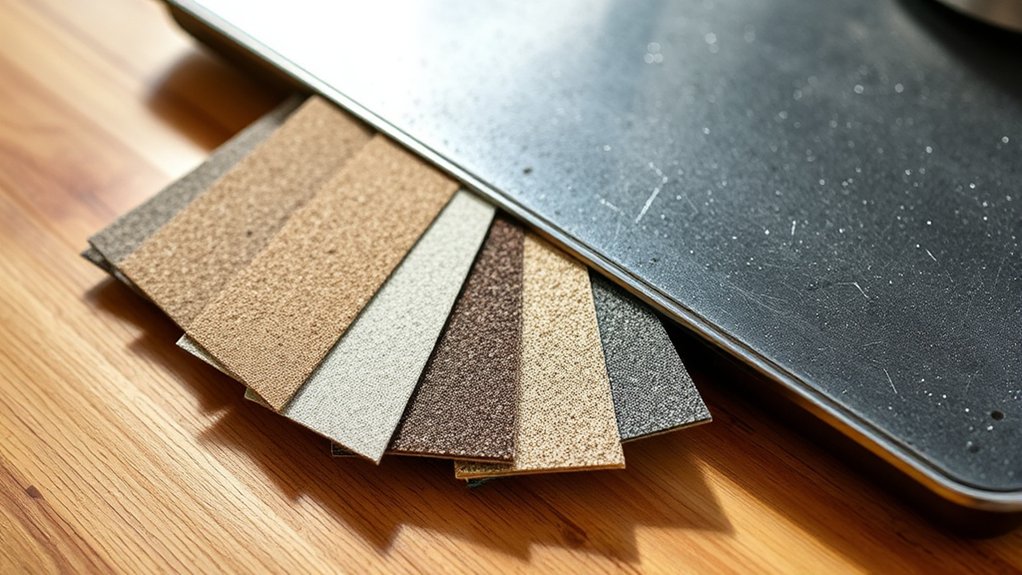
You’ll want to use medium grit sandpaper for your Blackstone griddle, specifically between 220 and 320 grit.
This range effectively removes rust and burnt residue without damaging the steel surface.
Avoid anything coarser than 100 grit, which can cause deep scratches, or finer than 400 grit, which won’t clean well.
Proper sanding sets the stage for better seasoning and cooking performance.
Keep going to uncover how to get the best results from this prepping step.
Key Takeaways
- Medium grit sandpaper between 220 and 320 is ideal for cleaning and prepping a Blackstone griddle surface.
- Avoid grit finer than 400 as it may not effectively remove rust or burnt residue.
- Coarse grit below 100 can damage the surface by creating deep scratches.
- Start with coarse grit to remove heavy residue, then finish with medium grit for smoothness.
- Proper sanding promotes even heat distribution and better seasoning adhesion on the griddle.
Best Grit Sandpaper for Your Blackstone Griddle
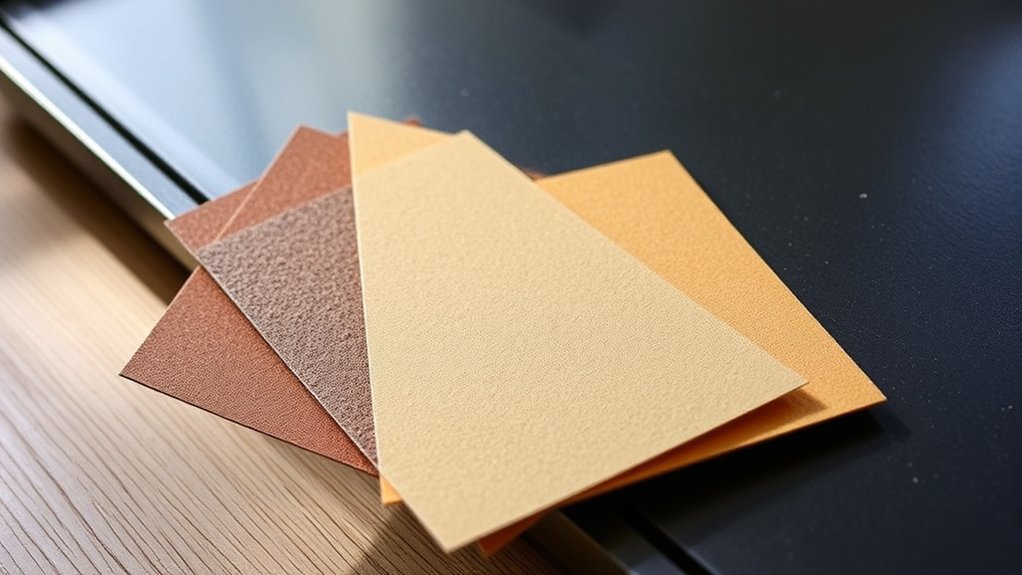
Choosing the best grit sandpaper for your Blackstone griddle is essential for maintaining its smooth surface and ensuring ideal cooking performance. For effective griddle maintenance, you want sandpaper that balances abrasion and gentleness.
Medium grit, typically around 220 to 320, works well for surface preparation by removing rust, burnt-on residue, and imperfections without damaging the steel. This grit level smooths the cooking surface, promoting even heat distribution and better food contact.
Using sandpaper finer than 400 grit might not adequately clean the griddle, while coarser grits below 100 can create deep scratches. By selecting the right grit sandpaper, you prepare your Blackstone griddle properly for seasoning and ongoing use, extending its lifespan and optimizing your cooking experience.
When to Use Fine vs. Coarse Grit on a Blackstone Griddle?
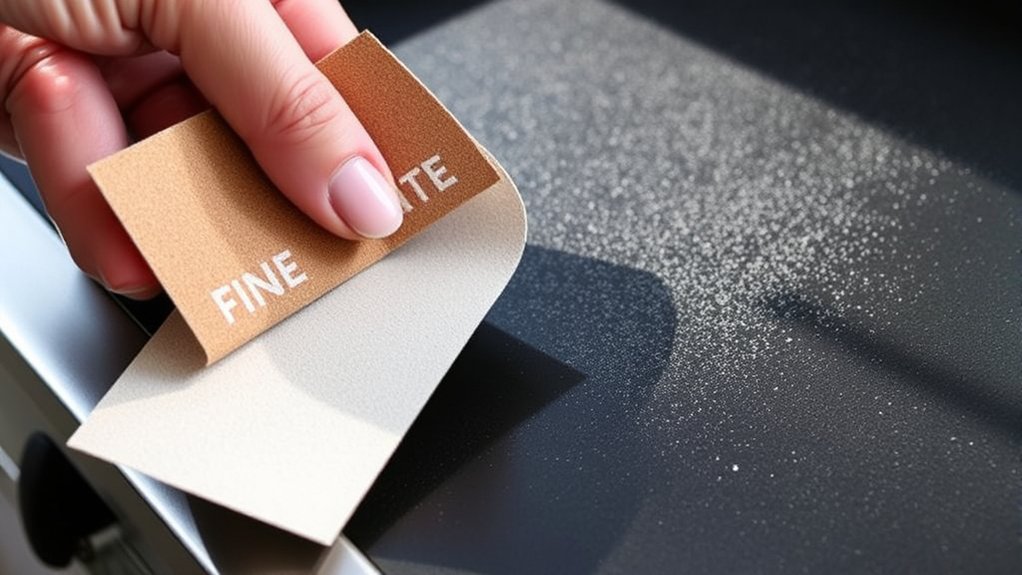
Although both fine and coarse grit sandpapers serve important roles in maintaining your Blackstone griddle, knowing when to use each type is essential for effective care. Understanding sanding techniques and grit comparison helps you preserve the cooking surface and extend its life.
- Use coarse grit sandpaper when you need to remove heavy rust, stubborn burnt residue, or deep scratches. It aggressively clears imperfections but can be abrasive.
- Choose fine grit sandpaper for regular maintenance, smoothing out minor scratches, and prepping the surface without causing damage.
- Combine both grits sequentially: start coarse to address major issues, then switch to fine grit for a polished finish, ensuring peak performance.
How to Use Sandpaper to Prep Your Blackstone Griddle Surface
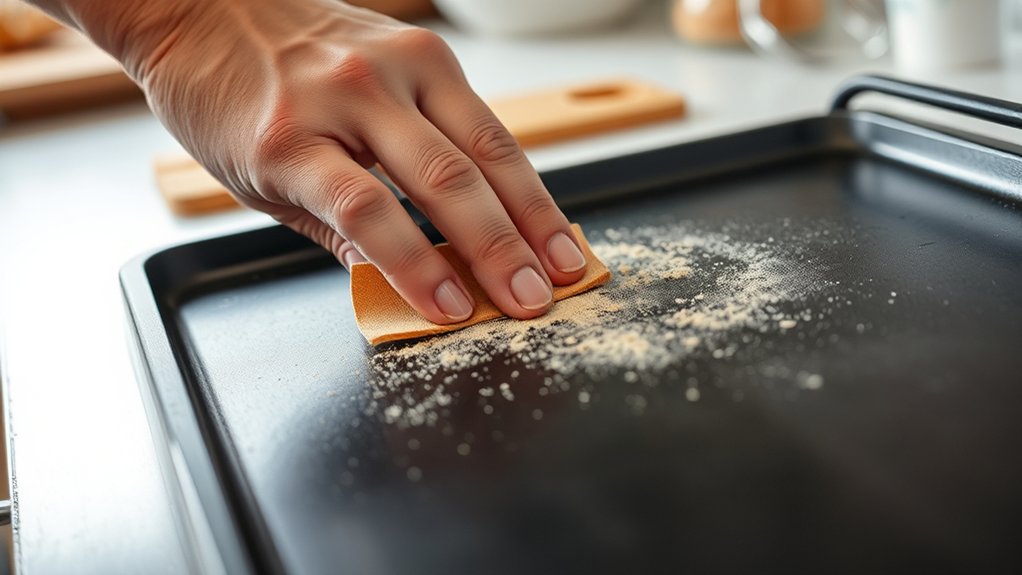
Before you begin seasoning or cooking on your Blackstone griddle, you’ll need to prep the surface properly using sandpaper to guarantee peak performance and longevity. Start by choosing the right grit and applying consistent pressure while sanding.
Use even, circular motions to remove rust, debris, and old seasoning layers. This surface preparation guarantees better seasoning adherence and a smooth cooking surface.
| Step | Action | Purpose |
|---|---|---|
| 1 | Select appropriate grit | Effective rust and debris removal |
| 2 | Sand evenly with circular motion | Avoid scratches and maintain flatness |
| 3 | Wipe clean after sanding | Remove residue and dust |
| 4 | Inspect surface | Confirm smoothness and readiness |
Following these sanding techniques prepares your griddle for peak use.
Avoiding Damage: Sandpaper Grits That Are Too Rough for Blackstone
You need to avoid using sandpaper with a grit that’s too coarse, as it can cause deep scratches and damage the surface of your Blackstone griddle. Rough grits remove material too aggressively, compromising the griddle’s integrity and making it harder to season properly.
Choosing the right grit guarantees you maintain a smooth, durable cooking surface without unnecessary wear.
Effects Of Coarse Grit
When you use sandpaper with a grit that’s too coarse on your Blackstone griddle, you risk creating deep scratches and uneven surfaces that can compromise its seasoning and cooking performance. While coarse grit benefits include rapid material removal, it’s generally unsuitable for final surface preparation on your griddle.
For ideal sandpaper selection, consider these points:
- Coarse grit (below 80) aggressively removes rust and paint but can leave pits, making seasoning difficult.
- It may cause uneven heat distribution due to surface irregularities, negatively affecting cooking results.
- Using excessively coarse grit increases the risk of damaging the griddle’s metal, shortening its lifespan.
Choose sandpaper carefully to balance efficiency with preservation, ensuring your griddle remains smooth and functional.
Surface Scratches And Damage
Although rough sandpaper grits can quickly remove rust and debris from your Blackstone griddle, they often cause surface scratches that compromise its smoothness and seasoning quality. Using overly coarse grit undermines surface restoration efforts and makes scratch prevention challenging.
You want to select sandpaper that’s effective yet gentle enough to maintain the griddle’s integrity.
| Grit Size | Effect on Surface | Recommended Use |
|---|---|---|
| 40-60 | Deep scratches, damage | Avoid for Blackstone |
| 80-120 | Moderate scratches | Use cautiously for rust spots |
| 220-320 | Minimal scratches | Ideal for surface restoration |
| 400+ | Smooth finish | Best for scratch prevention |
Choosing finer grits guarantees you restore your griddle without causing surface damage.
Maintaining Blackstone Integrity
Since maintaining the Blackstone griddle’s surface integrity is essential for its performance and longevity, selecting the wrong sandpaper grit can cause irreversible damage. Avoid using overly coarse grits that can gouge or scratch the cooking surface.
Here are key griddle maintenance tips to protect your investment:
- Use fine grit sandpaper (around 220-400 grit) to gently smooth out minor imperfections without compromising the surface.
- Steer clear of sandpapers below 120 grit, as their abrasiveness can strip protective seasoning and create uneven textures.
- Apply surface protection techniques post-sanding, such as reseasoning with oil, to restore the griddle’s non-stick properties and prevent rust.
Following these guidelines guarantees you preserve the Blackstone griddle’s integrity while effectively maintaining its performance.
Tips to Maintain Your Blackstone Griddle After Sanding and Seasoning
Because proper maintenance extends the life of your Blackstone griddle, you should clean it thoroughly after each use to prevent rust and buildup. Start by scraping off food residue while the surface is still warm, then wipe it down with a cloth soaked in warm water. Avoid soap to preserve your seasoning layer.
Dry it completely before applying a thin coat of oil to maintain the non-stick surface and protect against moisture. Follow these seasoning tips regularly to build a durable, rust-resistant patina.
Additionally, avoid using abrasive tools that can strip the seasoning. Regular griddle cleaning combined with consistent seasoning guarantees peak performance and longevity, keeping your Blackstone griddle ready for every cooking session without compromising the surface integrity.
Alternative Tools and Methods for Blackstone Griddle Care
You can maintain your Blackstone griddle effectively by using alternative tools like steel wool pads and non-abrasive scrubbers, which help remove residue without damaging the surface.
Natural cleaning agents, such as vinegar or baking soda, provide a gentle yet efficient way to clean and preserve the seasoning. These methods offer practical options to keep your griddle in top condition between sanding sessions.
Using Steel Wool Pads
Several types of steel wool pads offer effective alternatives for cleaning your Blackstone griddle, especially when dealing with stubborn residue that sandpaper might not fully remove. You’ll appreciate the steel wool benefits, such as its ability to scrub without deeply scratching the surface.
When considering steel wool alternatives, keep these points in mind:
- Grade Selection: Choose a medium-grade steel wool for effective cleaning without aggressive abrasion.
- Dry or Damp Use: Use steel wool dampened with water or cleaning solution to reduce dust and enhance residue removal.
- Surface Protection: Always test a small griddle area first to verify it doesn’t compromise the seasoning or finish.
Steel wool pads provide a balance of thorough cleaning and surface care, making them a practical option alongside sandpaper for maintaining your Blackstone griddle.
Employing Non-Abrasive Scrubbers
A variety of non-abrasive scrubbers offer effective alternatives for cleaning your Blackstone griddle without risking damage to its seasoning or surface. Non abrasive materials such as nylon brushes, soft sponges, or silicone scrubbing pads can remove food residue and grease efficiently while preserving the griddle’s protective layer.
When selecting a scrubber, consider the scrubber effectiveness on stuck-on debris; you want a tool firm enough to clean but gentle enough to avoid scratches. These non abrasive options also reduce the need for harsh chemicals, promoting safer and more sustainable maintenance.
Regular use of appropriate scrubbers helps maintain your griddle’s performance and longevity, ensuring consistent heat distribution and flavor retention. Always rinse thoroughly after scrubbing to remove loosened particles and prevent buildup.
Applying Natural Cleaning Agents
Building on the use of gentle scrubbers, natural cleaning agents provide an effective means to maintain your Blackstone griddle without harsh chemicals. These eco friendly options help preserve the surface while minimizing environmental impact.
When applying natural cleaners, consider these three approaches:
- Vinegar Solution: Mix equal parts white vinegar and water. Spray on the griddle, let it sit briefly, then wipe clean. Vinegar’s acidity cuts grease and food residue effectively.
- Baking Soda Paste: Combine baking soda with a small amount of water to form a paste. Apply to stubborn spots, scrub gently, then rinse. Baking soda acts as a mild abrasive and deodorizer.
- Lemon Juice: Use lemon juice to break down grease naturally, enhancing freshness. Apply directly or mixed with salt for added scrubbing power.
Incorporating these natural cleaners guarantees safe, thorough cleaning without damaging your griddle.
Why Choosing the Right Grit Sandpaper Matters for Blackstone Griddles
When you choose the right grit sandpaper for your Blackstone griddle, you secure effective cleaning and maintenance without damaging the cooking surface. Selecting an appropriate grit level is vital for griddle maintenance because too coarse sandpaper can scratch or gouge the metal, while too fine grit may fail to remove stubborn residue or rust.
Medium grits, typically between 220 and 320, strike the right balance by effectively preparing the surface for seasoning and cooking. Proper surface preparation guarantees even heat distribution and prolongs the griddle’s lifespan.
Using the correct grit sandpaper also prevents food from sticking and reduces the need for harsh chemicals. By understanding grit levels, you maintain your Blackstone griddle efficiently and preserve its cooking quality over time.
Frequently Asked Questions
Can Sandpaper Remove Rust From a Blackstone Griddle?
Yes, you can remove rust from your Blackstone griddle using sandpaper. Employ proper sanding techniques with medium-grit sandpaper for rust removal, then finish smooth to restore the surface before seasoning your griddle again.
How Often Should I Sand and Reseason My Blackstone Griddle?
You might think frequent sanding is necessary, but for effective griddle maintenance, sand and reseason your Blackstone only when rust or buildup appears. This typically happens every few months. Balance seasoning frequency with usage for peak performance.
Is Wet Sanding Recommended for Blackstone Griddle Surfaces?
You shouldn’t use wet sanding on griddle surfaces because moisture can cause rust. Instead, dry sand with fine-grit sandpaper to remove residue.
Wet sanding risks damaging the seasoning and reduces your Blackstone griddle’s lifespan.
Can Sanding Affect the Seasoning Flavor on the Griddle?
About 70% of flavor comes from your griddle’s seasoning layer, so sanding can reduce seasoning impact and harm flavor retention.
You’ll want to sand cautiously, preserving that essential seasoned surface to maintain your griddle’s unique taste.
What Safety Precautions Should I Take When Sanding a Blackstone Griddle?
Wear protective gear like gloves, goggles, and a mask to avoid dust inhalation. Use gentle sanding techniques to prevent damage.
Work in a well-ventilated area and clean the surface thoroughly after sanding for safety and effectiveness.
Conclusion
Choosing the right grit sandpaper for your Blackstone griddle isn’t just about smoothing the surface—it also sets the stage for better seasoning and longer-lasting performance. If you use too coarse a grit, you risk damaging the cooking surface. On the other hand, using too fine a grit won’t properly prep the surface for seasoning.
By selecting the right grit and caring for your griddle afterward, you ensure ideal cooking results every time. It’s a small step that makes a big difference in your griddle’s lifespan. When considering what grit sandpaper for Blackstone griddle to use, aim for a medium grit, such as 220 to 320, to achieve the best results.

Leave a Reply